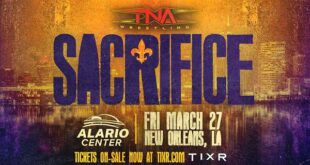
Watch TNA Impact Wrestling 3/26/26 Live Stream Full HD video. TNA Impact Wrestling 26th March 2026 Dailymotion Full Show Online Adfree. watch wrestling TNA Download All Latest Compete Episodes free in High Quality 720p and 1080p Result. So stay connected with us. So we will introduce you to UNITED STATE and other countries’ wrestling will continue to update and show for free thanks.
how did watch wrestling open tna night?
the arena was alive with anticipation before the first notes of music hit the speakers. lights moved slowly over the crowd creating a wave of excitement that pulsed through the venue. fans had gathered from all over united states and beyond. the atmosphere was electric and the energy was building with every passing second.
the commentary team began with a calm but excited tone. they highlighted the key rivalries that had been developing over the past weeks. their words set the stage for the night and helped guide viewers into the unfolding stories. the analysis was clear and did not overshadow the action that was about to begin.
entrances were executed with precision and style. the first competitor stepped onto the stage with visible focus. every movement seemed deliberate and full of purpose. the audience reacted instantly with cheers and applause. the connection between performer and fans was palpable and created an immediate sense of engagement.
the second entrance contrasted with the first. where one competitor carried calm intensity the other brought an aura of aggression. this difference created tension before the first bell. the crowd picked up on the subtle cues and their reactions reflected the anticipation of the upcoming match.
the first match began with controlled pacing. each competitor tested the waters with measured exchanges. the early moments were technical with attention to timing and positioning. the audience observed closely, understanding that the opening contest would set the tone for the night.
watch wrestling played a key role in establishing momentum for the first match. both performers moved with awareness and intent. small feints and quick counters drew reactions from the fans. every near fall or reversal carried emotional weight because the story was built carefully from the start.
the commentary team highlighted these early sequences, pointing out strengths and tendencies without overwhelming the viewer. they emphasized the importance of each action in building tension. this method allowed the audience to stay engaged while following the narrative being established in the ring.
as the minutes passed the match began to pick up in pace. sequences became longer and more fluid. fans responded with louder reactions. their energy seemed to fuel the performers as they executed precise moves and counters. the timing and chemistry were noticeable and elevated the quality of the match.
a turning point occurred when one competitor introduced a more aggressive strategy. the crowd reacted instantly with surprise and excitement. this shift changed the direction of the contest and added a new layer to the story. momentum swung back and forth in a way that kept everyone guessing.
the performers continued to adapt as the match developed. their awareness of each other and the audience created a compelling dynamic. the pacing was consistent, yet unpredictable. each reversal or attempt to gain control felt meaningful and added to the narrative arc of the contest.
watch wrestling helped to underline key moments that might have otherwise gone unnoticed. subtle details such as facial expressions, positioning, and pacing choices became clear indicators of the story unfolding. the audience absorbed these cues and reacted with increasing intensity as the match continued.
the near falls built suspense naturally. the crowd held their breath with each count, erupting with excitement at every escape. these peaks of tension created a rhythm that was both thrilling and emotionally engaging. the performers knew how to pace these moments to maximize impact.
as the first contest approached its conclusion the intensity remained high. sequences flowed logically from one to another. nothing felt rushed and nothing felt forced. the finish arrived in a way that was satisfying and aligned with the narrative built over the match.
after the bell, both competitors took a moment to acknowledge the crowd. gestures of respect and exhaustion were visible. the audience responded with applause that reflected appreciation for the performance and acknowledgment of the story told in the ring.
the transition to the next segment was smooth. the arena maintained energy and anticipation for the following match. there was no loss of momentum, and the show’s pacing felt deliberate and carefully structured. viewers remained fully engaged.
the next entrance introduced a competitor with a more flamboyant style. their presence created contrast and variety in the show. fans reacted instantly with a mixture of cheers and excitement. the interaction between performer and crowd helped set the stage for a dynamic contest.
the opponent entered with focused intensity, providing a balance to the previous display. the contrast in entrances gave viewers a clear understanding of the dynamic that would unfold in the ring. tension was palpable as the bell rang and the match commenced.
early exchanges emphasized skill and awareness. both performers were cautious but precise. they used positioning and timing to control the flow. the crowd watched closely, reacting to every small move and appreciating the craftsmanship in the performance.
watch wrestling once again highlighted key sequences. small reversals and subtle counters drew strong reactions. each action felt purposeful and contributed to the larger narrative of the match. the audience understood that every movement was part of a carefully constructed story.
as the match progressed the intensity increased gradually. sequences became longer and faster, and physicality more pronounced. the crowd responded in kind, their energy feeding into the match. the performers maintained timing and chemistry, making the contest feel cohesive and exciting.
a notable turning point occurred when one competitor gained an advantage through strategy and timing. the audience reacted strongly. the shift in momentum created suspense and heightened interest. the performers adjusted their approach, keeping the contest balanced and unpredictable.
the commentary team emphasized the significance of the turning point. they provided context and insight into the decisions made by each competitor. their analysis enhanced the audience’s understanding of the story while leaving the in-ring action as the focus.
near falls and reversals continued to drive excitement. the crowd erupted with each close call, maintaining intensity and engagement. performers paced these moments carefully, ensuring that suspense remained high without feeling repetitive or contrived.
the closing moments of the match were structured to deliver a satisfying conclusion. the outcome reflected the story told throughout the contest. the finish was decisive yet consistent with the narrative, leaving the audience satisfied while also hinting at potential future developments.
both competitors acknowledged the crowd after the match. gestures of respect and subtle interactions hinted at future rivalries and storylines. the audience responded with applause, recognizing the effort and storytelling that had taken place.
watch wrestling moments were particularly effective in conveying the story. subtle pauses, strategic positioning, and facial expressions highlighted the competitors’ mindset. the crowd reacted to these cues naturally, creating a connection that elevated the experience.
the show continued to flow smoothly into the next segment. energy in the arena remained high. transitions were seamless and maintained momentum. viewers remained engaged as anticipation for upcoming contests grew.
the following match introduced a different style emphasizing power and intensity. early moments were physical and direct. the crowd responded energetically, appreciating the variety and contrast with earlier matches. the pacing helped maintain interest and highlight different wrestling techniques.
performers used space effectively, creating visually engaging sequences. timing and positioning were precise. the audience followed every movement, reacting to impactful strikes and maneuvers. the performers’ awareness of the crowd and each other enhanced the storytelling.
a turning point occurred midway through the contest. one competitor executed a strategy that shifted momentum. the crowd erupted, responding to the sudden change in dynamic. this moment added drama and suspense, reinforcing the unpredictability of the contest.
the commentary team provided insight into the significance of this moment. their words added context without overshadowing the action. viewers gained a deeper understanding of strategy and performance, enriching the overall experience.
the closing sequences built naturally, culminating in a finish that reflected the story told. the audience responded enthusiastically, acknowledging the journey of both performers. the match concluded with energy high and anticipation for the next contest maintained.
the mid show segment successfully established momentum for future storylines. each match added new layers to rivalries and character development. the pacing, crowd interaction, and storytelling combined to keep viewers fully engaged throughout.
the audience remained invested as the show moved forward. every interaction, reaction, and sequence contributed to the larger narrative. the flow from match to match maintained excitement, setting the stage for the remainder of the event.
the first two matches demonstrated the balance between technical skill, storytelling, and audience engagement. performers established rhythm, momentum, and character depth that would influence future contests. the show’s structure reinforced continuity and maintained interest.
watch wrestling moments, crowd reactions, and commentary insight all contributed to a cohesive experience. the careful pacing allowed both the story and the athleticism to shine. fans left with a clear understanding of the show’s tone and direction.
the early portion of tna wrestling 3/26/26 successfully combined spectacle, narrative, and performance. performers engaged the crowd through emotion, strategy, and timing. the stage was set for the upcoming matches to build upon this foundation.
the combination of controlled pacing, audience engagement, and careful storytelling ensured that the night began with strength. viewers were drawn into the unfolding narratives and invested in the competitors’ journeys. anticipation remained high for the next segments.
the show’s opening phase established tone, momentum, and audience connection. watch wrestling moments reinforced the emotional stakes. the crowd’s energy reflected their engagement and helped shape the trajectory of the entire night.
the first part of the event concluded with excitement intact. performers, crowd, and commentary had established a rhythm. anticipation for mid card contests was high. the show was positioned for continued storytelling and dynamic matches in the segments to follow.
what early rivalries set the tna stage?
the opening contests were not just about athletic display. they were about establishing rivalries and storylines that would drive the narrative of the night. subtle gestures, timing, and strategy highlighted tension between competitors.
one rivalry centered around unresolved tension from previous weeks. performers approached the match with visible intensity. their actions were calculated yet emotional. this duality gave the audience insight into both character motivation and competitive skill.
crowd reactions reflected the stakes. cheers, boos, and mixed responses indicated investment in the storyline. small moments like facial expressions, gestures, or controlled aggression conveyed narrative without dialogue. the audience responded naturally to these cues.
commentary emphasized the history and significance of these rivalries. key moments were highlighted with context that allowed viewers to understand the narrative without distracting from the match. this balance between explanation and action strengthened engagement.
as the matches progressed, momentum shifted back and forth. each competitor had moments of advantage and moments of struggle. near falls were particularly effective in highlighting stakes and tension. the audience remained invested because the outcome felt uncertain.
watch wrestling moments amplified emotional beats. subtle expressions, timing, and pacing helped communicate frustration, determination, and resolve. the audience reacted in ways that reinforced the narrative. these non verbal cues were critical to establishing storylines.
one key moment occurred when a competitor used strategy to overcome a brief disadvantage. the crowd reacted strongly. this reversal not only advanced the match but reinforced the depth of rivalry. suspense and anticipation increased as a result.
the second early match introduced a contrast in styles. one competitor relied on technical precision while the other emphasized aggression. this difference created dynamic exchanges that showcased skill while reinforcing character traits. the audience responded to the contrast with excitement.
turning points within this contest highlighted personal stakes. sequences were structured to create peaks of tension. near falls and counters added to unpredictability. audience engagement increased as fans followed every twist and turn.
the commentary team provided insight into strategy and character motivation. they contextualized key moments without overshadowing action. viewers could appreciate both the story and the athletic execution simultaneously.
closing sequences tied back to the established rivalries. outcomes reflected ongoing narratives and hinted at future encounters. performers conveyed resolution while leaving room for further development. the audience remained invested in what would come next.
early rivalries combined with performance, crowd interaction, and commentary established the foundation for the remainder of the night. momentum, character development, and narrative continuity were reinforced. anticipation for mid card and main event contests was high.
the combination of athleticism, storytelling, and subtle cues allowed the audience to connect deeply with the matches. the pacing, watch wrestling moments, and crowd engagement worked together to create a compelling opening portion.
as the show transitioned to the next segment, rivalries remained the focus. subtle hints, gestures, and unfinished business suggested ongoing tension. the audience understood that the night was building toward larger stories that would unfold in later matches.
overall the first part of tna wrestling 3/26/26 successfully merged opening excitement, early rivalries, and audience engagement. storylines were set. momentum was established. anticipation remained high for the remainder of the night.
the show’s opening moments provided both spectacle and narrative depth. watch wrestling moments underscored key beats. the crowd’s energy reflected engagement and investment. this foundation ensured the remaining matches would carry weight and meaning.
the stage was now set for mid card contests. performers had established character and story. audience connection was strong. anticipation for upcoming segments was at a peak. the opening portion concluded with tension, excitement, and clear direction for the rest of the event.
how did mid card matches change tna night?
the mid card segment of tna wrestling 3/26/26 shifted energy into a more intense phase. the crowd had settled into rhythm after the opening matches. anticipation was high for new contests that promised to expand rivalries and explore different styles. every entrance brought unique energy that influenced the audience and performers alike.
the first mid card competitor stepped onto the stage with deliberate focus. lighting and music emphasized their presence. fans responded with audible excitement. their gestures and facial expressions communicated intent and readiness. anticipation built naturally as the performer approached the ring and prepared for the contest ahead.
the opponent entered with contrasting intensity. where one exuded calm precision, the other radiated aggression. this juxtaposition created immediate tension. the audience could sense the underlying storyline in their movements. the crowd reacted with cheers and anticipatory chants, reflecting investment in both performers and the outcome of the match.
the early exchanges emphasized technical skill. both competitors measured each other with strategic strikes and counters. the pacing was controlled but dynamic. the audience followed every movement, reacting to reversals, holds, and momentum shifts. the balance between careful pacing and sudden bursts of action maintained engagement throughout.
mid card matches often provided opportunities for narrative depth. subtle gestures and timing choices conveyed frustration, determination, and rivalry. performers used these moments to reinforce character traits while advancing ongoing storylines. audience attention was high as fans picked up on nuanced storytelling within the sequences.
a turning point occurred midway through the first mid card contest. one competitor gained the advantage through calculated strategy. the crowd erupted with excitement. momentum shifted and suspense increased. the other performer adapted with precise counters, keeping the match unpredictable and engaging. the audience remained invested in every moment.
commentary highlighted these shifts in momentum. the team provided context for strategic decisions and narrative implications. their analysis enhanced viewer understanding without overshadowing in ring action. fans gained insight into character motivation and match psychology while staying fully immersed in the live performance.
near falls added to the emotional impact of the contest. each close count drew strong reactions from the audience. performers timed sequences to maximize tension and suspense. these moments contributed to a sense of unpredictability and sustained energy in the arena. the crowd’s responses reinforced the intensity of the matches.
the second mid card contest emphasized power and athleticism. entrances reflected contrasting styles. one performer carried a confident intensity while the other exhibited methodical precision. this variation created dynamic storytelling. the audience responded instantly with cheers and excitement, amplifying the energy inside the arena.
early sequences focused on pacing and control. performers measured exchanges with strategy and awareness. momentum shifted as each competitor sought to dominate. near falls were frequent, drawing audible gasps and reactions. audience engagement remained high due to carefully structured tension and well timed execution.
watch wrestling moments during this segment highlighted critical sequences. subtle facial expressions, positioning, and timing conveyed emotional stakes. fans interpreted these cues naturally, reacting to both athletic skill and character development. the connection between performers and audience strengthened the impact of each sequence.
a pivotal moment came when one competitor executed a high risk move. the crowd reacted with shock and excitement. the shift in momentum created uncertainty and raised stakes. both performers adjusted strategies in real time. suspense and engagement reached a peak as the match approached its conclusion.
the closing sequences were deliberate and impactful. every maneuver reflected prior moments in the contest, reinforcing narrative continuity. the finish was clear, decisive, and consistent with story arcs. the audience reacted with enthusiasm and appreciation, acknowledging both the athleticism and storytelling displayed in the ring.
after the match, both competitors paused to engage with the crowd. gestures, glances, and subtle interactions suggested potential rivalries and storylines for the future. fans responded with applause, excited by both the match result and the hints at ongoing narrative developments.
mid card matches served as a bridge between opening contests and main event setups. performers showcased skill while expanding storylines. pacing, tension, and crowd reactions reinforced the show’s rhythm. anticipation for subsequent contests remained high, with audience engagement sustained throughout the segment.
the commentary team continued to provide insight without overshadowing action. analysis focused on character motivation, strategy, and story progression. viewers received context for what was unfolding while remaining immersed in the live match experience. this balance enhanced overall enjoyment and understanding.
one segment highlighted emerging rivalries. subtle cues indicated tension between competitors beyond immediate contests. fans interpreted these interactions, responding with excitement and speculation. these narrative threads suggested storylines that would extend into future episodes, maintaining audience interest and investment.
as matches progressed, the performers demonstrated adaptability. sequences evolved naturally, responding to audience reactions and in ring dynamics. pacing, timing, and positioning created a compelling flow. crowd engagement remained high as viewers experienced a combination of athletic skill and layered storytelling.
a later mid card contest emphasized technical wrestling and reversals. competitors maintained control and awareness throughout exchanges. audience responses grew louder with each near fall and counter. suspense and engagement were sustained by the unpredictability of the match and skillful execution by both participants.
commentary highlighted subtle decisions and strategy shifts. insight into character psychology and performance enhanced viewer understanding. fans could appreciate nuances that might otherwise be missed, deepening connection to the performers and ongoing narratives. analysis was balanced, complementing rather than distracting from live action.
turning points in mid card matches often included surprising reversals. sudden shifts in momentum energized the audience. each reaction from the crowd reinforced the emotional stakes. these moments were critical in maintaining a compelling pace and ensuring that every contest felt significant.
closing sequences reflected consistency in storytelling. each finish aligned with narrative arcs while leaving room for future developments. performers used gestures and reactions to hint at upcoming rivalries. audience engagement remained high, responding to both match results and implied storylines.
the mid card segment demonstrated balance between technical skill and emotional storytelling. each match was structured to maintain tension and highlight character traits. pacing, crowd reactions, and commentary contributed to a cohesive and engaging viewing experience for fans.
rivalries were reinforced through match outcomes, strategic sequences, and post match interactions. audience interpretation of subtle cues created engagement beyond athletic skill. performers effectively communicated narrative stakes through timing, positioning, and emotional expression, sustaining investment in the show.
as the segment concluded, anticipation for main events increased. momentum from mid card matches carried forward. performers had established storylines and character depth, ensuring continuity and cohesion. the audience remained fully invested in the evolving narratives and the competitive outcomes of each contest.
transitions between matches were seamless. crowd energy remained consistent, sustaining attention and anticipation. performers used entrances, gestures, and interactions to maintain engagement. pacing was structured to create variety while emphasizing suspense and character development.
mid card contests demonstrated how storytelling could unfold in multiple layers. athletic execution, emotional beats, and narrative progression combined to produce compelling segments. audience connection was maintained through visual cues, commentary insight, and live reactions. tension and excitement were sustained throughout.
watch wrestling moments emphasized key sequences. these included near falls, reversals, and strategic maneuvers. audience interpretation reinforced engagement, reflecting the effectiveness of in ring storytelling. subtle cues communicated stakes and character intent without dialogue.
the energy in the arena grew with each match. cheers, chants, and applause reflected engagement. performers responded naturally to crowd feedback. sequences were adapted to maintain suspense and excitement. the mid card segment effectively bridged earlier contests with the main event, establishing rhythm and momentum.
closing moments reinforced narrative threads. rivalries hinted at previous weeks were advanced. sequences were structured to maximize audience reaction. finishers and outcomes reflected prior story arcs. performers subtly signaled potential future developments through gestures and timing.
the commentary team highlighted strategic moves and ongoing narratives. analysis complemented performance without distraction. viewers gained context while remaining immersed in the live action. audience connection to storylines and character development was strengthened by balanced commentary.
mid card matches demonstrated adaptability and engagement. performers adjusted in real time based on audience response. pacing and momentum shifted naturally. crowd reactions guided emphasis on key moments. narrative and athletic execution remained cohesive and compelling throughout the segment.
as the mid card portion concluded, tension and anticipation for the main event were high. performers had established rivalries, advanced storylines, and showcased skill. audience engagement remained sustained. the segment successfully prepared the stage for climactic matches while maintaining narrative and emotional continuity.
overall the mid card segment reinforced tna wrestling 3/26/26 as a cohesive, engaging, and narratively rich show. pacing, crowd engagement, commentary, and in ring storytelling worked together to maintain momentum and prepare viewers for subsequent matches.
what storyline threads emerged in mid card bouts?
mid card matches revealed deeper narrative layers for tna wrestling 3/26/26. rivalries were reinforced through sequences, near falls, and post match interactions. subtle cues in gestures, timing, and facial expressions communicated tension and ongoing conflict, engaging the audience on multiple levels.
one contest highlighted personal vendettas. performers executed strategy and moves that reflected ongoing narrative stakes. audience response was immediate, cheering and reacting to key reversals and counters. tension and suspense were sustained throughout, creating emotional investment.
another match emphasized contrasting styles. one competitor relied on technical precision, while the other demonstrated aggression and power. this contrast elevated tension, engaged the audience, and reflected character traits. near falls and reversals emphasized stakes and unpredictability.
watch wrestling moments reinforced narrative beats. subtle positioning, timing, and facial expressions communicated character motivation and conflict. audience engagement grew through interpretation of these cues. storytelling extended beyond moves, creating a layered experience that connected with fans.
turning points were crucial in advancing storylines. momentum shifts, unexpected reversals, and strategic counters created suspense. audience reactions reflected investment in ongoing narratives. performers used these sequences to further develop rivalries and create anticipation for future events.
post match interactions provided additional narrative depth. gestures, glances, and reactions suggested potential alliances or rivalries. fans responded enthusiastically. these moments hinted at continuation of stories beyond immediate contests, sustaining audience interest and engagement.
commentary highlighted significance of story developments. insight into character motivation and strategy enhanced viewer understanding. context was provided without distracting from live action. fans were able to follow both athletic execution and narrative progression.
audience investment grew as mid card rivalries progressed. performers demonstrated skill, timing, and emotional storytelling. suspense was maintained through careful pacing, sequence design, and interpretation of in ring cues. near falls and reversals added excitement and uncertainty.
another layer of narrative emerged through subtle tension between competitors. previous interactions were referenced visually. gestures, facial expressions, and timing created connection with ongoing storylines. audience interpretation reinforced engagement and interest.
as matches concluded, storylines were left open for future development. rivalries were established and advanced. sequences reinforced character traits. audience anticipation for main event and subsequent shows remained high, reflecting effective storytelling and pacing.
overall mid card contests successfully advanced narrative threads while maintaining audience engagement. athletic execution, crowd interaction, and commentary insight created a cohesive and compelling segment. tension, momentum, and anticipation were sustained throughout the phase.
performers’ adaptability and awareness enhanced storytelling. sequences were modified in real time based on crowd response. timing, pacing, and strategy maintained suspense. narrative and athletic performance were tightly integrated, creating immersive viewing experience.
watch wrestling moments reinforced story significance. subtle actions conveyed conflict, tension, and rivalry. audience interpretation amplified engagement. performers communicated stakes effectively without relying solely on moves or dialogue. the storytelling was multidimensional and immersive.
momentum was maintained for the remainder of the show. mid card matches set the stage for climactic encounters. rivalries, tension, and narrative continuity ensured audience investment in future contests. anticipation for main events was heightened by careful pacing and sequence design.
transitions between contests were seamless. performers used entrances, gestures, and crowd interactions to sustain engagement. sequences were structured to maintain suspense while advancing narrative threads. pacing variety kept viewers attentive and invested.
the mid card segment of tna wrestling 3/26/26 successfully established momentum, advanced storylines, and maintained audience excitement. characters were developed, rivalries reinforced, and anticipation built for future contests. the show flowed cohesively toward climactic segments.
audience reactions reflected connection to storylines, characters, and athletic performance. applause, chants, and engagement were sustained. performers responded naturally to crowd energy. sequences, pacing, and timing reinforced emotional and narrative stakes. tension remained high throughout.
commentary complemented in ring storytelling. analysis highlighted strategy, character development, and narrative progression. context was provided for key moments. insight enhanced viewer understanding while preserving focus on live action. engagement was strengthened through balanced commentary.
as mid card contests concluded, performers, audience, and commentary aligned to maintain narrative momentum. anticipation for main event contests was heightened. storylines were reinforced and developed. pacing, tension, and engagement remained consistent.
overall tna wrestling 3/26/26 mid card phase demonstrated balance of athletic skill, storytelling, and audience connection. rivalries were emphasized, suspense maintained, and momentum established for later matches. engagement remained strong throughout, setting the stage for climactic contests.
how did main event build tna intensity?
the main event segment of tna wrestling 3/26/26 was the culmination of storytelling and athleticism. anticipation had reached a peak after mid card contests. the crowd’s energy reflected eagerness for climactic moments. entrances, lighting, and music combined to create a spectacle that drew attention to the wrestlers about to compete.
the first main event competitor stepped forward with purpose. gestures, expressions, and posture conveyed readiness and focus. fans reacted instantly, recognizing both the skill and persona being presented. every movement carried weight and significance. the performer’s presence set the tone for the contest and indicated the narrative that would unfold.
the opponent entered with contrasting style. where one exuded calm intensity the other radiated aggression. this contrast created immediate tension. the audience absorbed the difference and responded with vocal enthusiasm. anticipation built naturally as both wrestlers prepared to engage in the ring.
the opening exchanges emphasized strategy and awareness. both performers tested each other with precise moves and counters. pacing was deliberate but dynamic. the audience followed every action, reacting to near falls, reversals, and shifts in momentum. the balance between controlled pacing and sudden bursts of intensity created suspense.
early sequences highlighted character traits and ongoing storylines. gestures, positioning, and timing communicated emotion. the crowd responded to both technical skill and storytelling cues. performers used this phase to establish narrative stakes, hinting at personal rivalries and competitive tension that would develop throughout the contest.
a turning point occurred midway through the match. one competitor gained advantage using strategy and timing. the crowd erupted with surprise and excitement. momentum shifted back and forth as the other wrestler adapted with counters and reversals. the unpredictability maintained high engagement and suspense throughout the sequence.
commentary emphasized significance of these moments. insights into strategy and character motivation provided context without distracting from live action. fans understood decisions and tactics while remaining immersed in the performance. explanation was measured, enhancing appreciation for both storytelling and athletic execution.
near falls and high impact moves created peaks of tension. the audience reacted vocally with each suspenseful moment. timing and positioning were executed with precision, maximizing effect. sequences flowed logically, maintaining rhythm while sustaining unpredictability. each action contributed to the narrative being told in the ring.
mid match sequences demonstrated adaptability. performers responded to audience reactions and dynamic pacing. reversals, counters, and high risk maneuvers elevated suspense. the flow of the contest remained cohesive and exciting. attention to rhythm and timing kept spectators engaged and invested in the outcome.
as the match progressed, storytelling became increasingly layered. gestures, facial expressions, and subtle movements conveyed emotion. audience members interpreted these cues naturally, reacting with cheers, gasps, or chants. the combination of physical performance and narrative made the contest immersive and compelling.
a critical turning point occurred when one wrestler executed a signature move. the crowd erupted with awe and anticipation. momentum shifted dramatically, creating uncertainty and heightened stakes. the other competitor adapted skillfully, keeping the contest balanced. suspense reached its peak in this crucial sequence.
closing sequences were structured to deliver a satisfying conclusion. every move reflected narrative buildup. pacing and timing were designed to maximize tension and resolution. the finish was decisive and aligned with storylines, leaving the audience satisfied while suggesting potential developments for future events.
post match interactions reinforced narrative threads. gestures of respect, glances, and physical acknowledgement hinted at ongoing rivalries or alliances. audience applause reflected appreciation for both athleticism and storytelling. subtle cues in body language suggested what might come next, sustaining anticipation beyond the immediate contest.
main event sequences emphasized emotion, skill, and storytelling. each near fall and reversal carried meaning. the audience engaged with both spectacle and narrative. performers utilized timing and positioning to communicate stakes and rivalry. excitement and investment were sustained throughout the match.
commentary highlighted significance of strategic decisions and emotional beats. analysis explained why certain moves were impactful. context enriched understanding without overshadowing in ring action. fans could appreciate the depth of storytelling while following the athletic performance.
emerging rivalries were reinforced through action and reaction. sequences referenced prior encounters or unresolved tension. audience recognition of these moments strengthened investment in the narrative. gestures and facial expressions communicated intent and conflict, advancing ongoing storylines.
performers demonstrated adaptability as sequences evolved. counters, reversals, and timing adjustments kept the contest unpredictable. crowd reactions influenced pacing and emphasis. storytelling and athleticism were integrated seamlessly, sustaining suspense and engagement.
final sequences emphasized resolution while leaving room for future narratives. the outcome reflected story arcs and character development. audience engagement was high, responding to both the finish and implications for upcoming events. the conclusion felt earned and consistent with prior storytelling.
watch wrestling moments highlighted critical beats. subtle cues, timing, and positioning communicated rivalry, strategy, and character motivation. audience engagement reflected understanding of both athletic skill and story progression. sequences conveyed stakes without dialogue, creating immersive experience.
momentum carried naturally into post match segments. performers engaged with the audience, hinting at ongoing tension or alliances. gestures and expressions suggested future developments. fans responded enthusiastically, reinforcing connection between in ring storytelling and crowd investment.
the main event reinforced pacing and structure of tna wrestling 3/26/26. suspense, narrative depth, and athletic execution combined to create compelling viewing. sequences flowed logically, maintaining engagement. audience reactions were integral to atmosphere, elevating intensity and excitement.
transitions to subsequent segments were smooth. energy from main event contests carried forward. performers and audience interaction sustained attention. storytelling continuity was maintained while momentum prepared viewers for later matches. anticipation remained high for upcoming climactic moments.
storylines advanced through main event action, counters, and post match cues. audience interpreted subtle signals, enhancing investment in ongoing narratives. tension, momentum, and suspense were maintained throughout. performers communicated stakes and character traits effectively through timing, gestures, and sequence design.
commentary reinforced narrative without distraction. insight into strategic decisions and character intent enhanced understanding. fans appreciated context while staying immersed in live action. balance between explanation and performance preserved engagement and excitement.
performers’ awareness of audience response influenced sequence pacing and emphasis. subtle adjustments maintained unpredictability and suspense. storytelling, athletic skill, and crowd interaction were tightly integrated. engagement remained consistent throughout the segment.
main event conclusion set stage for future contests. narrative threads were advanced, rivalries reinforced, and character traits highlighted. audience anticipation remained high for subsequent matches. pacing, sequence design, and engagement maintained continuity and excitement across the show.
overall tna wrestling 3/26/26 main event phase demonstrated integration of storytelling, athleticism, and audience interaction. sequences flowed seamlessly. suspense, tension, and character development were reinforced. engagement was sustained throughout, leaving anticipation for future events intact.
how did closing segments hint future storylines?
closing segments were structured to leave lasting impression beyond immediate contests. performers used gestures, expressions, and timing to convey unresolved conflict or alliances. subtle cues suggested future encounters. audience reactions reinforced narrative significance, providing emotional closure while creating anticipation for upcoming shows.
one segment featured interaction between main event competitors. tension remained high despite resolution of match. glances, posturing, and verbal cues hinted at rivalry continuation. fans interpreted body language naturally, engaging with storytelling beyond physical action. narrative threads were subtly woven to extend interest.
another closing moment introduced emerging conflict. a competitor’s appearance disrupted a prior storyline. timing, gestures, and sequence placement emphasized impact. audience reacted with excitement and curiosity. narrative implications suggested new rivalries and alliances, setting stage for future contests.
watch wrestling moments in these segments highlighted critical beats. subtle expressions, timing, and positioning conveyed stakes, emotion, and strategy. audience engagement reflected interpretation of cues. storytelling extended beyond matches, connecting performers, sequences, and narrative arcs.
post match interactions emphasized continuity. gestures and physical signals hinted at unresolved issues or evolving relationships. audience reaction reinforced narrative significance. performers used these sequences to build anticipation, ensuring viewers remained invested in ongoing storylines.
commentary contextualized closing moments. insights explained character motivation and potential consequences. explanation was concise, complementing rather than overshadowing live action. viewers could understand narrative implications while remaining engaged with in ring sequences.
emerging rivalries were reinforced through visual cues and timing. performers communicated tension through subtle movements. audience recognition of these beats strengthened connection to characters and storylines. sequences were layered, providing depth and anticipation for future shows.
suspense was maintained through unresolved interactions. performers hinted at potential confrontations or alliances. crowd reaction reflected awareness of narrative stakes. subtle storytelling created continuity and maintained engagement. anticipation for upcoming events was elevated by careful sequence design.
transitions between closing segments were smooth. energy remained high. audience focus was directed toward key performers. gestures, timing, and visual cues reinforced story threads. suspense and tension were sustained without disrupting pacing.
performers’ awareness of audience response influenced presentation. sequences were adapted in real time to maximize engagement. narrative cues, physical performance, and crowd interaction were integrated effectively. anticipation for future contests was heightened by careful storytelling.
final sequences of tna wrestling 3/26/26 provided emotional and narrative closure while leaving room for continuation. storylines were advanced subtly. audience engagement remained strong. suspense, tension, and anticipation were balanced to conclude night effectively while suggesting future developments.
commentary reinforced importance of closing segments. insights explained character intention and potential consequences. context enhanced viewer understanding. explanation remained complementary, allowing audience to appreciate both athletic execution and narrative development.
watch wrestling moments were central to conveying stakes. performers communicated tension, emotion, and strategic decisions. audience interpreted subtle cues, enhancing engagement. narrative significance extended beyond matches, creating anticipation for subsequent episodes.
storylines hinted at future directions. unresolved tension, subtle alliances, and competitive stakes were communicated visually. audience reaction reinforced connection to characters and narrative arcs. sequences were structured to maintain suspense while providing partial closure.
the night’s final beats emphasized cohesion between athletic performance and storytelling. performers, audience, and commentary worked together to sustain engagement. tension and anticipation were maintained. momentum carried naturally into future events, establishing continuity across tna wrestling episodes.
overall closing segments highlighted narrative depth, suspense, and continuity. gestures, timing, and interactions conveyed emotion and stakes. audience interpretation amplified engagement. storylines were reinforced, rivalries advanced, and anticipation for future shows remained strong.
the show concluded with energy intact. performers acknowledged fans. narrative threads were left open. suspense, tension, and anticipation were balanced. the audience exited with interest in future contests. tna wrestling 3/26/26 closed successfully while establishing foundation for continuing storylines.
transitions from match action to closing sequences were smooth. pacing maintained audience attention. visual and verbal cues reinforced storylines. subtle gestures suggested unresolved conflict. audience engagement remained high throughout final moments.
performers, commentary, and crowd response combined to create cohesive storytelling. suspense, tension, and narrative continuity were reinforced. anticipation for future events was sustained. the show concluded effectively while setting stage for ongoing storylines and character development.
overall tna wrestling 3/26/26 closing segment phase demonstrated integration of athletic execution, narrative development, and audience engagement. sequences flowed logically. tension, suspense, and story continuity were maintained. viewers left invested in future contests and rivalries.
how did tna wrestlers close the night with impact?
the final moments of tna wrestling 3/26/26 were designed to leave a lasting impression. performers approached each sequence with precision and purpose. gestures, expressions, and timing conveyed emotion and rivalry. the audience was fully engaged, responding vocally to actions and interactions that hinted at both resolution and continuation of storylines.
entrances in closing segments were deliberate. lighting, music, and stage presence emphasized character and narrative. fans reacted instantly to familiar figures and surprises alike. each movement carried significance. performers communicated readiness and intent. the audience followed every beat, understanding stakes and consequences through in ring performance.
early closing sequences emphasized strategy and anticipation. performers measured exchanges carefully while maintaining intensity. pacing was controlled but dynamic. audience reactions reflected investment in both athletic skill and storytelling. near falls and high impact moves heightened suspense. tension remained high as sequences developed toward resolution.
midway through the closing phase, a turning point shifted momentum. one performer gained advantage through timing and precision. the crowd erupted. the opponent adapted with counters and strategic positioning. unpredictability maintained engagement. every move was executed with awareness of narrative and athletic impact. the audience followed each action with anticipation.
commentary contextualized key moments without overshadowing live action. insight into motivation, strategy, and stakes helped viewers understand character intent. analysis was clear, concise, and complementary. fans could follow both narrative development and physical execution. suspense and engagement were reinforced by balanced commentary throughout the sequences.
high risk maneuvers punctuated the closing phase. crowd reaction was immediate and intense. suspense built naturally as performers executed precise moves. timing and positioning were critical to creating impact. sequences flowed logically, maintaining rhythm and tension. the audience remained captivated, responding to both athleticism and storytelling cues.
adaptability was key in the final segment. performers responded to audience energy, adjusting pacing and emphasis. reversals, counters, and strategic positioning created unpredictability. storytelling and athleticism were integrated seamlessly. engagement remained high. suspense and excitement were maintained through careful timing and execution.
subtle gestures and expressions conveyed narrative weight. audience members interpreted body language naturally. tension, rivalry, and emotion were communicated through performance. sequences were crafted to reinforce character traits and ongoing storylines. fans responded to both spectacle and storytelling. investment in outcomes and rivalries grew.
a pivotal moment occurred when one performer executed a signature maneuver. momentum shifted dramatically. audience reaction amplified tension and suspense. the opposing wrestler adapted strategically. unpredictability maintained excitement. sequences were designed to deliver both resolution and anticipation for future developments. engagement remained high.
closing interactions emphasized character and narrative depth. gestures, pauses, and reactions hinted at ongoing rivalries or alliances. fans responded enthusiastically. subtle cues suggested storylines would continue. the performers’ awareness of audience investment strengthened connection. tension and anticipation were maintained as the night approached conclusion.
commentary highlighted significance of final sequences. analysis provided insight into decision making, strategy, and narrative context. explanation complemented in ring action without distraction. fans appreciated depth of storytelling while remaining focused on athletic execution. audience understanding and engagement were reinforced.
watch wrestling moments emphasized key beats. timing, positioning, and gestures communicated stakes, conflict, and emotion. fans interpreted cues, enhancing immersion. sequences were designed to provide closure while leaving open potential for future storylines. engagement remained high until final moments concluded.
momentum carried smoothly into post match sequences. performers acknowledged audience energy and reacted naturally. gestures suggested unresolved tension or alliances. fans engaged with storytelling cues beyond immediate matches. narrative continuity was maintained. anticipation for future contests was heightened through subtle hints and interactions.
sequence flow balanced suspense and resolution. pacing allowed audience to absorb impact while sustaining engagement. tension built naturally, then was partially released with each conclusion. audience participation reinforced effect. performers controlled rhythm while communicating both competitive outcomes and narrative stakes.
emerging rivalries were reinforced through physical performance and timing. subtle cues, glances, and positioning communicated conflict. fans recognized story beats and responded with excitement. sequences were layered, advancing character development and ongoing storylines while leaving open future narrative possibilities.
closing phase emphasized integration of athletic skill and narrative. each maneuver reinforced storytelling. suspense and tension were maintained. audience reaction shaped pacing and emphasis. performers adapted sequences in real time. engagement was sustained through combination of athleticism, character, and storyline progression.
final moments highlighted cohesion across the show. mid card and main event threads were referenced visually or through interaction. performers created continuity between earlier and later sequences. audience responded to narrative callbacks. tension and anticipation were carefully maintained. the night’s conclusion felt earned and structured.
transitions were smooth. attention shifted naturally from match resolution to narrative setup for upcoming contests. sequences and gestures suggested continuity. pacing preserved audience focus. anticipation remained high. performers, audience, and commentary worked in concert to create immersive closing phase.
post match gestures reinforced character relationships. subtle signals suggested potential alliances or conflicts. audience interpretation strengthened investment in future storylines. tension and engagement were preserved while providing partial resolution. performers communicated stakes effectively without explicit dialogue.
commentary complemented live action. context explained significance of closing sequences and potential narrative outcomes. explanation was concise and clear. fans understood character intention and story implications while remaining focused on action. suspense and engagement were enhanced by informative commentary.
sequence variety maintained interest. reversals, counters, and strategic moves kept momentum fluid. audience attention remained high. performers adapted in real time to reactions and pacing. storytelling and athletic execution were integrated effectively. tension, anticipation, and engagement were sustained.
the night closed with energy intact. audience reacted to outcomes and narrative hints. performers acknowledged fan enthusiasm. unresolved storylines and subtle cues created anticipation for future contests. momentum carried naturally from closing phase into subsequent episodes or events. engagement remained high.
overall tna wrestling 3/26/26 closing segments demonstrated balance of athletic performance, narrative development, and audience interaction. sequences flowed logically. suspense and tension were maintained. storylines were advanced. fans left invested in future contests and rivalries. narrative and athletic cohesion were evident throughout.
final sequences emphasized impact. gestures, timing, and positioning communicated stakes and rivalry. audience reaction reinforced significance. performers conveyed intent and character development. sequences concluded logically while leaving room for future storylines. suspense, tension, and engagement were sustained.
transitions from active sequences to closing interactions were seamless. performers maintained audience focus. gestures and visual cues reinforced ongoing narrative. anticipation for future contests remained high. pacing, rhythm, and performance design contributed to successful night closure.
the integration of commentary, athletic execution, and narrative reinforced cohesion. fans understood character motivation and stakes. sequences maintained momentum. tension and anticipation were preserved. performers used body language and timing to communicate effectively. audience engagement remained strong throughout closing phase.
overall tna wrestling 3/26/26 ended with cohesion and impact. sequences, gestures, and post match cues reinforced storylines. suspense, tension, and anticipation were maintained. audience left with interest in upcoming events. performers concluded night with memorable actions that established foundation for future narratives.
the show’s final moments illustrated the importance of performance, timing, and narrative. gestures, positioning, and reactions conveyed unresolved conflict and potential rivalries. fans responded naturally. sequence design reinforced engagement. tension and anticipation were maintained. storyline continuity was preserved.
audience energy remained high through the final beats. performers interacted with fans subtly, reinforcing connection. narrative cues suggested continuity. suspense and engagement were maintained. sequences concluded logically while leaving anticipation for future events. the night closed effectively, balancing resolution with intrigue.